
Mushkeeki Gitigan, meaning “Medicine Garden,” is the flagship program of the Indigenous Fellowship of Hamilton Road. Established in 2018, the garden serves as a community space where Indigenous knowledge, land-based learning, and cultural teachings are shared with youth, families, and community members.
Through the cultivation of traditional medicines and other culturally significant plants, the garden supports learning about Indigenous plant knowledge, harvesting protocols, and the cultural teachings connected to the land.
It was a late summer’s evening walking with my partner and our dog. It was one of those cool evenings just before
sunset, it was the perfect light jacket weather. We had just had several days of rain and you could still smell the
sogginess of the rain the evening before on the grass path, despite the temperature being in its 30s all day.
Unbeknownst to me this path on this day changed the way I viewed the transmission of indigenous culture. I smelt a
sweetness in the area. Something my senses recalled from a rural experience, a medicine walk to Walpole Island some
years ago for sweet grass. Astonished being in urban London more specifically South branch park the smell was
identical. Once you smell sweet grass fresh for the first time you will always know what it smells like in the future.
Albeit not a traditional approach but I had a vision of a place where urban elders and grandparents could transmit their
culture privately or ceremonially. This space would remove barriers of transportation and mobility allowing them to still
share a roll of teaching for the next generation. That’s how Mushkeeki Gitigan came to be.Founder of Mushkeeki Gitigan & IFHR Russell Green
The Four Sacred Medicines
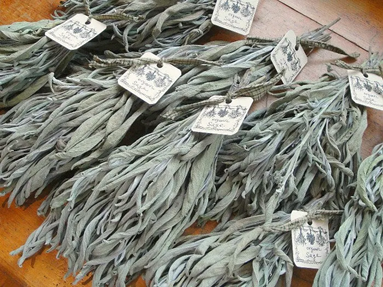
Sage
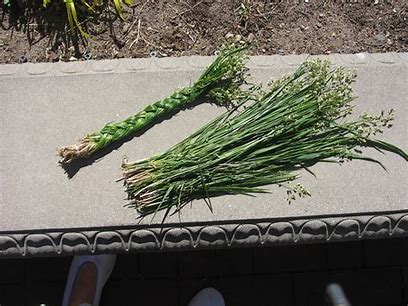
sweetgrass
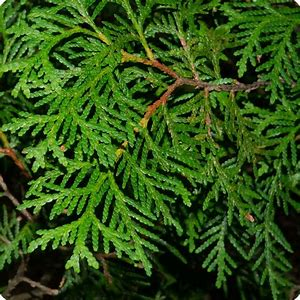
cedar
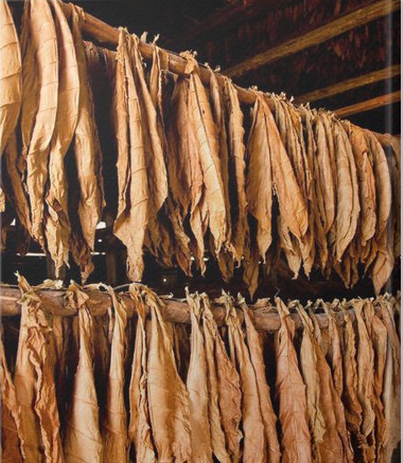
tobacco
Tobacco is the first plant that the Creator gave to First Nations Peoples. It is the main activator of all the plant spirits. Three other plants, sage, cedar and sweetgrass, follow tobacco, and together they are referred to as the Four Sacred Medicines. The Four Sacred Medicines are used in everyday life and in ceremonies. All of them can be used to smudge with, though sage, cedar and sweetgrass also have many other uses. It is said that tobacco sits in the eastern door, sweetgrass in the southern door, sage in the western door and cedar in the northern door. Elders say that the spirits like the aroma produced when we burn tobacco and the other sacred medicines. Traditional people say that tobacco is always first. It is used as an offering for everything and in every ceremony. “Always through tobacco”, as the saying goes.
Traditional tobacco was given to us so that we can communicate with the spirit world. It opens up the door to allow that communication to take place. When we make an offering of tobacco, we communicate our thoughts and feelings through the tobacco as we pray for ourselves, our family, relatives and others. Tobacco has a special relationship to other plants: it is said to be the main activator of all the plant spirits. It is like the key to the ignition of a car. When you use it all things begin to happen. Tobacco is always offered before picking medicines. When you offer tobacco to a plant and explain why you are there, that plant will let all the plants in the area know why you are coming to pick them. When you seek the help and advice of an Elder, Healer or Medicine Person and give your offering of tobacco, they know that a request may be made as tobacco is so sacred. We express our gratitude for the help the spirits give us through our offering of tobacco. It is put down as an offering of thanks to the First Family, the natural world, after a fast. Traditional people make an offering of tobacco each day when the sun comes up. Traditional tobacco is still grown in some communities. For example, the Mohawk people use traditional tobacco that they grow themselves and that is very sacred to them.
Sage is used to prepare people for ceremonies and teachings. Because it is more medicinal and stronger than sweetgrass, it tends to be used more often in ceremonies. Sage is used for releasing what is troubling the mind and for removing negative energy. It is also used for cleansing homes and sacred items. It also has other medicinal uses. There is male sage and female sage. The female sage is used by women.
Sweetgrass is used in prayer, smudging and purifying ceremonies. It is usually braided, dried and burned. It is usually burned at the beginning of a prayer or ceremony to attract positive energies.
Like sage and sweetgrass, cedar is used to purify the home. It also has many restorative medicinal uses. Cedar baths are healing. When cedar is put in the fire with tobacco, it crackles. When it does this, it is calling the attention of the spirits to the offering that is being made. Cedar is used in fasting and sweat lodge ceremonies as a form of protection: cedar branches cover the floor of the sweat lodge and a circle of cedar surrounds the faster’s lodge.
the three sisters
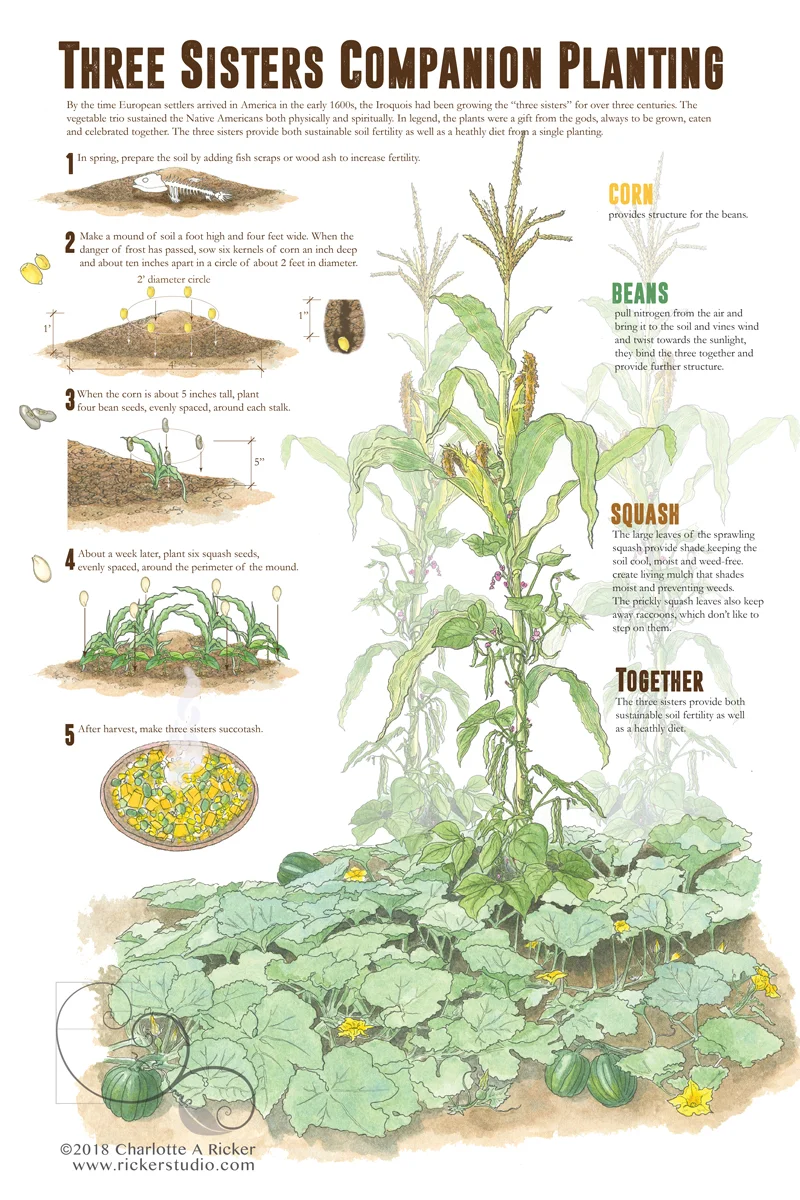
The three sisters garden is a companion garden and grow together in symbiotic partnership. Each pant supporting each other to deter weeds, enrich the soil and flourish.
By the time European settlers arrived in America in the early 1600s, the Iroquois had been growing the “three sisters” for over three centuries. The vegetable trio sustained the Native Americans both physically and spiritually. In legend, the plants were a gift from the gods, always to be grown together, eaten together, and celebrated together.
Each of the sisters contributes something to the planting. Together, the sisters provide a balanced diet from a single planting.
The older sister is the corn and offers the beans the support to grow upward.
The giving sister is the beans and they pull nitrogen from the air. The nitrogen is needed to enrich the soil and supports growth for all three. The beans wind up the cornstalk and hold all of the sisters together. The squash spreads along the garden an acts like mulch holding in the water and shades the soil preventing weeds. The prickly leaves of the squash keeps unwanted animals and pests from eating the before planting, choose a sunny location (at least 6 hours of full sun every day).
HOW TO PLANT THREE SISTERS
Before planting, choose a sunny location (at least 6 hours of full sun every day). This method of planting isn’t based on rows, so think in terms of a small field. Each hill will be about 4 feet wide and 4 feet apart, with 4 to 6 corn plants per hill. Calculate your space with this in mind.
1. In the spring, prepare the soil with plenty of organic matter and weed-free compost. Adjust the soil with fish scraps or wood ash if needed.
2. Make a mound of soil that is about a foot high at its center and 3 to 4 feet wide. The center of the mound should be flat and about 10 inches in diameter. For multiple mounds, space about four feet apart.
3. Plant corn first, once the danger of frost has passed and nighttime temperatures reach 55°F (13°C). Don’t plant any later than June 1 in most areas, since corn requires a long growing season. See local frost dates.
4. Sow six kernels of corn an inch deep in the flat part of the mound, about ten inches apart in a circle of about 2 feet in diameter.
5. Don’t plant the beans and squash until the corn is about 6 inches to 1 foot tall. This ensures that the corn stalks will be strong enough to support the beans. The beans’ role is to fix nitrogen in the soil, which is needed for strong corn production. You can grow several pole bean varieties without worrying about hybrids, but just plant one variety per hill.
6. Once the corn is 6 inches to 1 foot tall, plant four bean seeds, evenly spaced, around each stalk.
7. About a week later, plant six squash seeds, evenly spaced, around the perimeter of the mound. See the spacing for squash on your packet; usually, this is about 18 inches apart. You may wish to put two seeds in each hole to make sure that at least one germinates.
https://www.almanac.com/content/three-sisters-corn-bean-and-squash