IFHR is guided by the philosophy of biskaabiiyang.
Within Anishinaabe and Nishnaabeg thought, biskaabiiyang is often understood as a process of “returning to ourselves.” Leanne Betasamosake Simpson describes it not as going backward in a simple or nostalgic way, but as a process of re-engaging with what has been left behind and re-emerging from within Indigenous ways of being, knowing, and relating. In that sense, it is tied to both decolonization and resurgence.
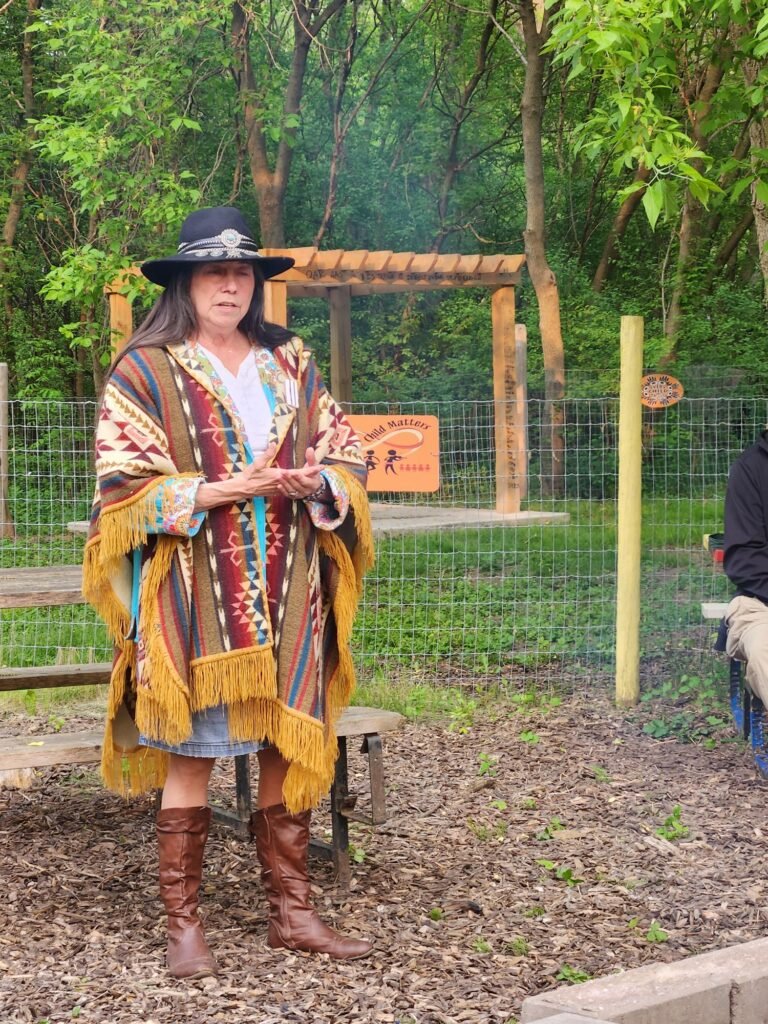
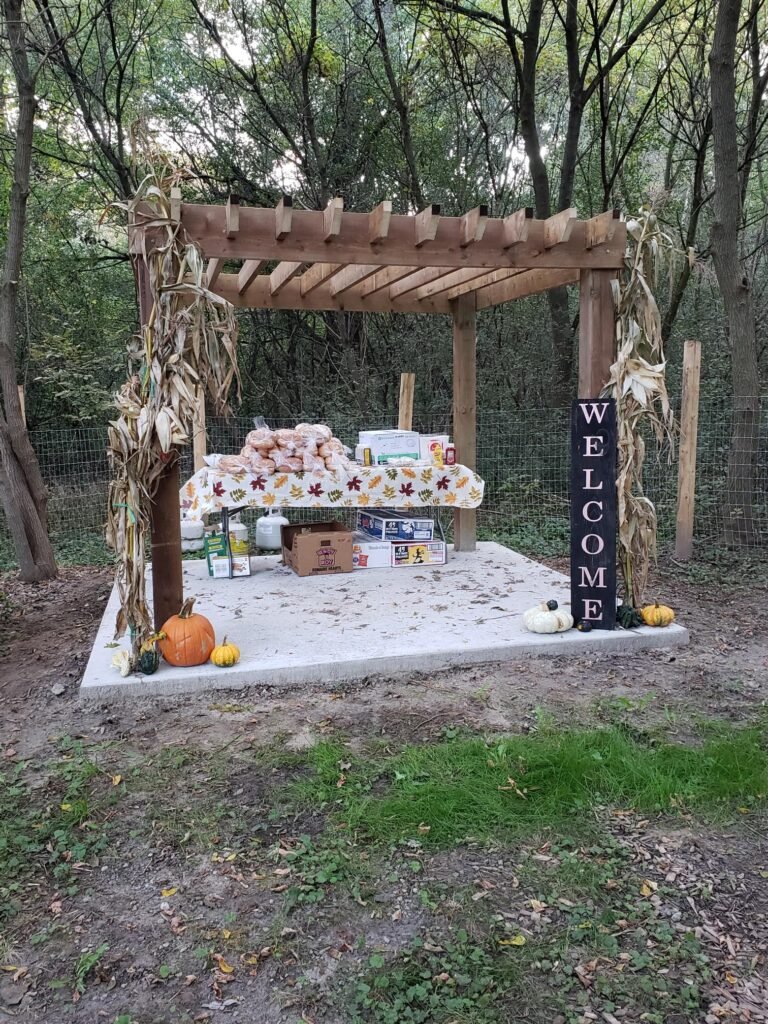
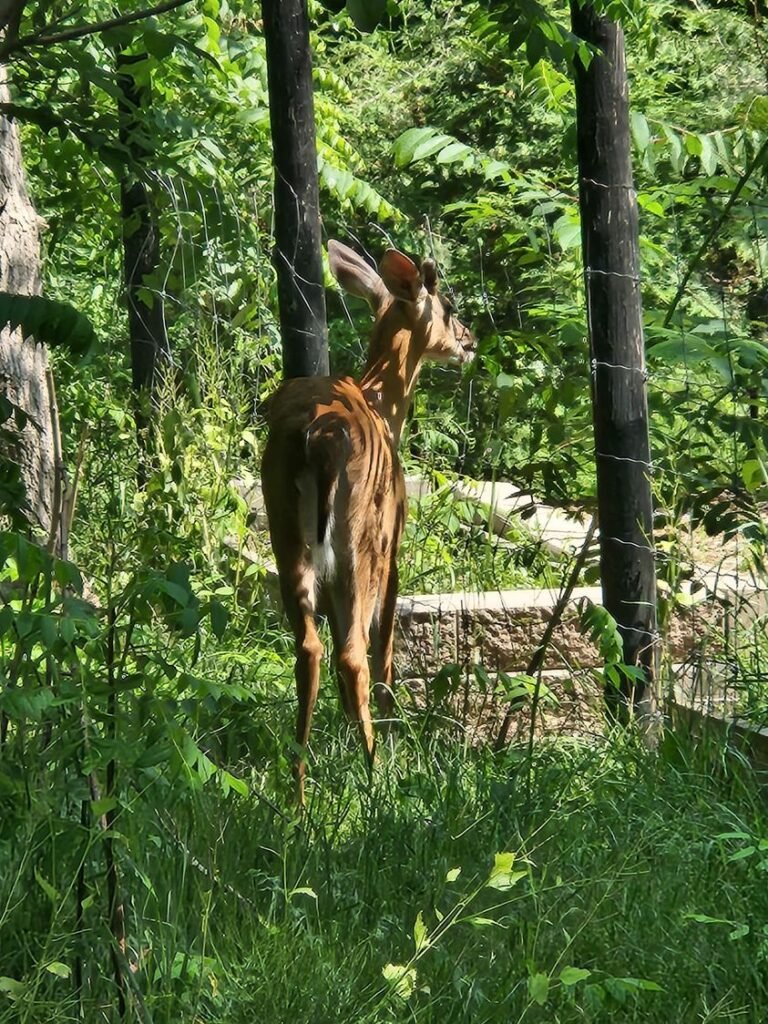
For IFHR, this philosophy helps name why our work matters. It reflects the importance of creating spaces where Indigenous youth, families, and community members can reconnect with identity, culture, teachings, land, language, and one another. It also reminds us that healing and community strength do not come only from programs or services alone, but from renewing relationships and rebuilding the conditions for Indigenous life to flourish in the present. That understanding is consistent with published scholarship that treats biskaabiiyang as a community-rooted, decolonizing approach tied to Indigenous knowledge, stories, Elders, and place-based relationships.
At IFHR, biskaabiiyang means creating opportunities for people to return to themselves in practical, lived ways: through cultural learning, intergenerational connection, land-based teachings, community gathering, and spaces of belonging. It shapes how we understand programs such as Mushkeeki Gitigan, youth programming, community programming, and other supports—not simply as activities, but as part of a larger process of reconnection, renewal, and community care. This application to IFHR is an interpretation built from the concept’s published meaning and your organization’s program direction.
who we are
The Indigenous Fellowship of Hamilton Road (IFHR) is an Indigenous-led community organization in London, Ontario, created to support Indigenous youth, families, and community members through connection, culture, and community care.
We are guided by the philosophy of biskaabiiyang a returning to ourselves. For IFHR, this means creating spaces where people can reconnect with who they are, with their community, with the land, and with the teachings that continue to carry us forward. It means making room for belonging, healing, learning, and the rebuilding of strong relationships rooted in Indigenous values.
IFHR was established in response to the need for welcoming, culturally grounded community spaces along Hamilton Road and beyond. Our work recognizes that many Indigenous people in urban communities are seeking places where they feel safe, seen, and supported. We aim to help meet that need by creating opportunities for gathering, cultural learning, youth engagement, and community-building that are rooted in respect, inclusion, and Indigenous ways of knowing.
From community programming to land-based initiatives such as the Mushkeeki Gitigan Medicine Garden, IFHR supports pathways for cultural connection, intergenerational learning, and community wellbeing. We believe that when people have space to reconnect with culture, teachings, and one another, stronger futures become possible.
IFHR is not only about what we do it is about who we are becoming together. Through the spirit of biskaabiiyang, we are building a place where Indigenous people can return to themselves, strengthen community, and help shape a future grounded in belonging, resilience, and hope.
Community context
The Hamilton Road corridor is a place of resilience, relationships, and community potential. At the same time, many people in the neighbourhood continue to face barriers connected to poverty, housing instability, social isolation, and limited access to safe, community-based supports. For Indigenous youth, families, and community members, these realities are often compounded by the ongoing impacts of colonization, displacement, and disconnection from culturally grounded spaces.
Within urban communities, the need is not only for programs, but for places of belonging—places where Indigenous people can gather, reconnect, and be supported in ways that reflect who they are. This is where the philosophy of biskaabiiyang is important. It speaks to a returning to ourselves: to culture, identity, teachings, community, and the strength that comes from reconnection.
IFHR was created in response to this context. We recognize the importance of having Indigenous-led spaces on Hamilton Road where youth can engage, families can connect, teachings can be shared, and community wellbeing can grow through relationships and cultural presence.
By building welcoming spaces, supporting land-based learning, and creating opportunities for intergenerational connection through initiatives such as the Mushkeeki Gitigan Medicine Garden, IFHR is helping respond to local needs while strengthening the cultural and community foundations that already exist within the neighbourhood.
what we do
The Indigenous Fellowship of Hamilton Road (IFHR) creates Indigenous-led programs and spaces that support connection, cultural learning, and community wellbeing. Our work is guided by the philosophy of biskaabiiyang a returning to ourselves and reflects our commitment to building welcoming, culturally grounded opportunities for Indigenous youth, families, and community members in London. Through each area of programming, IFHR creates space for people to reconnect with identity, teachings, land, and one another in ways that are rooted in belonging, relationship, and care.
Mushkeeki Gitigan, the Medicine Garden supports land-based learning, traditional plant knowledge, stewardship, and seasonal teachings. It creates a place where community members can gather around medicines, food, and Indigenous relationships with the land while strengthening intergenerational connection.
Community Programming brings people together through shared activities, gatherings, workshops, and community events. This area of work helps create a visible and welcoming Indigenous presence on Hamilton Road while encouraging connection, participation, and relationship-building across the neighbourhood.
Youth Programming focuses on creating culturally grounded opportunities for young people to learn, connect, and grow. Through youth-centred activities and mentorship, IFHR supports confidence, belonging, leadership, and stronger connections to community and culture.
The Wiidookaage Ikwe Program reflects IFHR’s commitment to supportive spaces for women. It creates room for connection, mutual support, learning, and community-building in ways that honour women’s roles, experiences, and strengths within Indigenous community life.
DUDES Club offers a space centred on men’s wellness, connection, and support. It contributes to IFHR’s broader vision by creating opportunities for men to gather, build relationships, and take part in conversations and activities that strengthen individual and collective wellbeing.
The Babaamizi Gikinoo’amaadiwin Program reflects IFHR’s commitment to learning, guidance, and the sharing of knowledge. Within the wider circle of IFHR’s work, it represents a space where teachings, growth, and community learning can be supported in meaningful and culturally grounded ways.
Together, these programs are more than separate activities. They form a connected circle of supports and opportunities that help strengthen Indigenous presence, cultural renewal, and community wellbeing on Hamilton Road and beyond.
our vision
IFHR envisions a strong and thriving Indigenous community presence on Hamilton Road where people feel welcomed, connected, and supported.
Guided by biskaabiiyang a returning to ourselves we are working toward a future where Indigenous youth, families, and community members have access to culturally grounded spaces for gathering, learning, healing, and growth. We believe community wellbeing is strengthened when people can reconnect with identity, teachings, land, and one another in ways that are visible, meaningful, and rooted in place.
Our vision is to help create a lasting community foundation where Indigenous knowledge is shared across generations, youth are supported to lead, and culturally grounded programs continue to grow in response to community strengths and needs. In this vision, Hamilton Road becomes a place where Indigenous presence is not only recognized, but actively nurtured through relationship, care, and collective responsibility.
